 442080642223
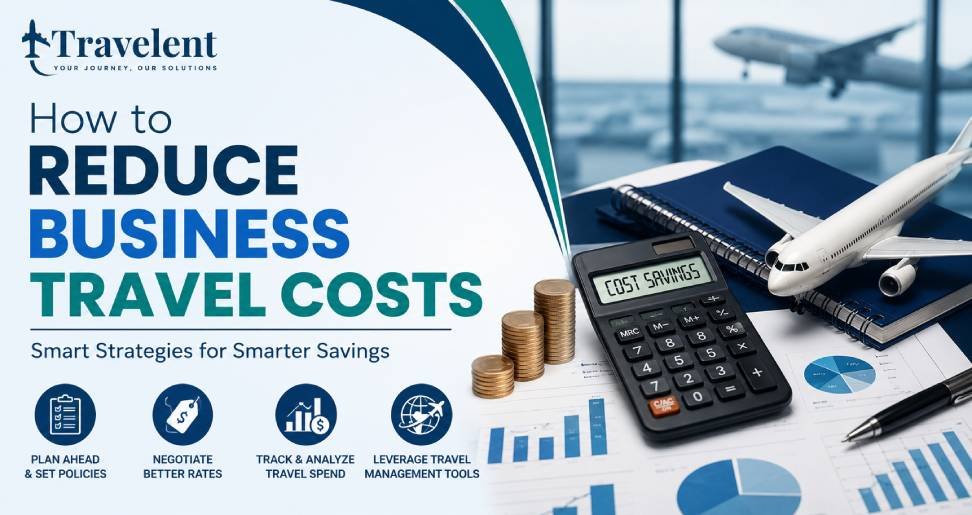
Business travel remains an important part of building client relationships, attending conferences, meeting partners, and expanding into new markets. However, flights, hotels, ground transportation, meals, and last-minute changes can quickly put pressure on a company’s travel budget. The goal should not simply be to reduce the number of trips, but to make every business trip more efficient and cost-effective.
A structured travel programme can help businesses gain better visibility over spending, improve policy compliance, negotiate better supplier rates, and reduce unnecessary expenses. Here are practical strategies companies can use to reduce business travel costs without compromising employee experience.
1. Create a Clear Business Travel Policy
A well-defined travel policy is one of the strongest foundations for controlling corporate travel expenses. Employees should know which travel options are permitted, how far in advance they should book, what hotel categories are acceptable, and which expenses can be claimed.
The policy can include:
- Advance booking requirements
- Approved airlines and hotels
- Maximum airfare and hotel budgets
- Cabin-class rules
- Ground transportation guidelines
- Approval procedures
- Cancellation and change rules
- Expense reimbursement requirements
Clear rules reduce inconsistent booking decisions and make it easier for employees to choose cost-effective options.
2. Encourage Early Flight and Hotel Bookings
Last-minute bookings can significantly increase travel costs. Whenever possible, employees should book flights and accommodation as soon as travel dates are confirmed.
Companies can establish minimum booking windows, such as requiring domestic trips to be booked several days ahead and international journeys even earlier. Early planning can provide access to a wider range of fares and hotel rates while reducing the risk of limited availability.
However, businesses should allow reasonable exceptions for urgent client meetings, emergencies, or unexpected business opportunities.
3. Compare Total Trip Costs, Not Just Ticket Prices
The cheapest flight is not always the cheapest business travel option.
For example, a lower-priced flight might arrive at an airport far from the meeting location, require expensive transportation, or involve an inconvenient schedule that requires an additional hotel night. Similarly, a budget hotel may appear inexpensive but could increase commuting expenses.
Companies should therefore evaluate the total cost of the trip, including:
- Airfare or rail fare
- Hotel accommodation
- Airport transfers
- Local transportation
- Meals
- Baggage and seat fees
- Potential additional accommodation
- Employee time
Looking at the complete journey helps businesses make better purchasing decisions.
4. Negotiate Corporate Rates
Businesses that travel frequently may have opportunities to negotiate preferred rates with airlines, hotels, rail operators, car rental companies, and other suppliers.
Negotiated corporate rates can be particularly valuable when employees regularly travel to the same destinations. Instead of booking independently each time, companies can establish preferred suppliers and use their travel volume to seek better commercial terms.
Travel management companies can also assist with supplier negotiations and identify opportunities that individual employees may not have access to.
5. Use a Corporate Travel Management Company
Managing business travel through multiple booking websites, emails, spreadsheets, and individual travel agents can make expenses difficult to track. A corporate travel management company can centralise bookings and provide greater control over the travel programme.
For companies looking for a more organised approach, Travelent provides business travel management services covering flights, accommodation, itineraries, and ground transportation. Its business travel service is designed to manage travel arrangements while allowing businesses and their employees to focus on their core objectives.
A managed travel programme can also make it easier to monitor spending, identify recurring expenses, and improve compliance with company travel policies.
6. Combine Multiple Meetings Into One Trip
One effective way to reduce business travel costs is to maximise the value of every journey.
If an employee needs to visit one client in Manchester, for example, consider whether other clients, suppliers, or partners in the same region can be visited during the same trip. Combining meetings can eliminate the need for additional flights, train journeys, and hotel stays.
Trip consolidation should still make business sense. Extending a trip simply to save money may not be worthwhile if it creates significant additional accommodation or employee costs. The objective is to increase the business value generated from each journey.
7. Consider Rail and Other Ground Transportation
Flights are not always the most economical option, particularly for shorter routes.
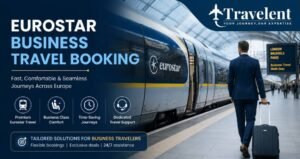
For certain business journeys, rail travel can provide a practical alternative. It may also reduce airport transfer expenses and save productive working time. Companies should compare the total cost and duration of different transportation options rather than automatically choosing flights.
For local travel, public transportation, shared transfers, or pre-negotiated corporate car services may also be more economical than individual taxi journeys.
8. Reduce Unnecessary Travel
Not every meeting requires employees to travel.
Before approving a trip, companies can consider whether the objective can be achieved through a video conference or another remote collaboration method. Important client meetings, negotiations, conferences, and relationship-building activities may still require face-to-face interaction, but routine internal meetings may not.
A simple question can help: What business outcome justifies the cost of this trip?
Setting basic travel-approval or ROI criteria can help companies prioritise trips that have a clear commercial purpose.
9. Monitor Travel Expenses Regularly
Cost reduction becomes much easier when businesses understand where their money is going.
Companies should regularly analyse travel spending by:
- Employee
- Department
- Destination
- Supplier
- Travel type
- Booking lead time
- Accommodation
- Transportation
- Policy exceptions
This information can reveal patterns that are difficult to identify through individual expense claims. For example, a company may discover that a particular destination consistently has high hotel costs or that employees frequently make expensive last-minute bookings.
Regular reporting creates the data needed to improve policies and negotiate better supplier agreements.
10. Control Hidden and Ancillary Costs
Businesses should look beyond headline airfare and hotel prices. Extra charges such as baggage fees, seat selection, cancellation penalties, airport transfers, roaming expenses, and last-minute changes can increase the final cost considerably.
A good travel policy should explain which additional expenses are acceptable and when employees need approval. Booking tools can also help travellers identify policy-compliant options before completing a purchase.
Companies should also review unused tickets, cancelled hotel reservations, travel credits, and refundable bookings to prevent money from being lost.
Make Business Travel More Cost-Effective
Reducing business travel costs does not mean forcing employees to choose the cheapest possible flight or eliminating important face-to-face meetings. A better approach is to combine planning, policy, technology, supplier negotiation, and spending analysis.
Businesses can start by establishing a clear travel policy, encouraging advance bookings, consolidating trips, comparing total journey costs, negotiating corporate rates, and reviewing expenses regularly. Partnering with a professional travel management provider can further simplify the process by bringing bookings and travel support together.
The most successful corporate travel programmes focus on value rather than simply cutting costs. When every trip has a clear purpose and every booking is managed strategically, companies can reduce unnecessary spending while still giving employees the convenience and support they need to travel effectively.